 CSC News
 Table of Contents
iOS security vulnerabilities have been added to the CISA KEV catalog following confirmed links to the Coruna exploit kit. The listing indicates active exploitation and available patches.
The additions require accelerated remediation by U.S. federal civilian agencies and elevate priority for all enterprises managing iPhone and iPad fleets.
Security teams should assess exposure to iOS security vulnerabilities, deploy updates, and verify closure across corporate and BYOD devices.
iOS security vulnerabilities: What You Need to Know
- CISA added exploited Apple flaws tied to the Coruna exploit kit to KEV, signaling immediate risk and mandating federal patch deadlines.
Recommended tools to harden mobile and endpoint security:
- Harden endpoints with Bitdefender for multi‑layered malware defense and EDR capabilities.
- Enforce strong credentials using 1Password across executives and privileged users.
- Centralize team passwords with Passpack and audit access to sensitive apps.
- Find and fix exposures fast with Tenable Vulnerability Management and Nessus Pro.
- Protect critical data with encrypted cloud backup from IDrive.
- Gain network visibility and policy control with Auvik for distributed environments.
Why CISA’s focus on iOS security vulnerabilities matters
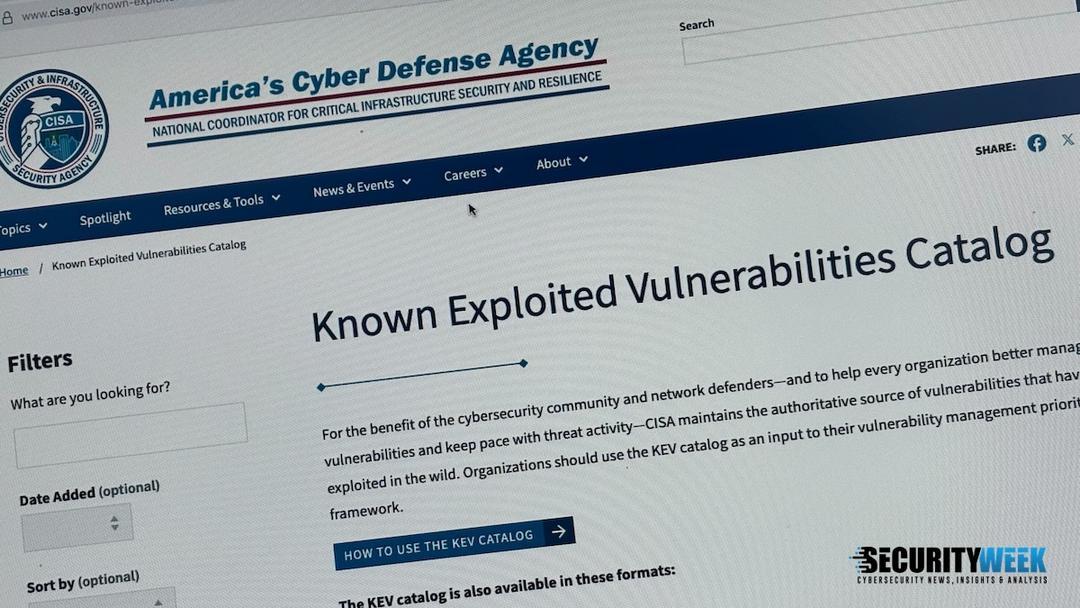
The CISA KEV catalog lists vulnerabilities confirmed to be exploited in the wild. When iOS security vulnerabilities appear there, defenders face validated, ongoing attacks rather than theoretical risks.
KEV inclusion also triggers Binding Operational Directive timelines for U.S. federal agencies, establishing formal deadlines for remediation under BOD 22‑01.
These entries are associated with the Coruna exploit kit, indicating commercial‑grade tooling aimed at Apple devices. The presence of iOS security vulnerabilities in KEV confirms observed exploitation and the availability of Apple patches.
What the KEV listing signals for defenders
CISA’s action means iOS security vulnerabilities are under real‑world attack and must be patched quickly. Security leaders should:
- Map all impacted assets, including BYOD, remote, and rarely connected devices.
- Confirm vulnerable versions, enforce minimum OS levels, and document closure for audits.
- Apply temporary mitigations where immediate patching is not possible.
Track current entries and guidance on the CISA KEV. For context on KEV timelines and requirements, review BOD 22‑01. For a related KEV update, see our coverage of a separate addition: CISA adds new exploited jQuery vulnerability.
Coruna exploit kit iOS links and observed targeting
The Coruna exploit kit iOS connection underscores a persistent threat to mobile ecosystems. Purpose‑built toolkits reduce attacker effort and enable repeated use across campaigns.
Organizations should treat related iOS security vulnerabilities as high‑priority items and monitor for follow‑on activity, including persistence, credential theft, and attempts to pivot into enterprise services.
Apple patches and device coverage
Apple has issued updates that address the affected issues. Administrators should validate deployment across managed iPhones and iPads, prioritizing high‑risk users and mission‑critical roles before fleet‑wide rollout. Apple’s central advisory hub is here: Apple Security Updates.
For broader patch context, see our roundup: Apple security patches fix 50 vulnerabilities. Android teams should apply a similar urgency when updates land; recent examples are detailed in Google Android vulnerabilities.
Recommended actions for enterprises
- Validate inventory: enumerate all corporate and BYOD devices potentially exposed to iOS security vulnerabilities, including infrequently connected assets.
- Accelerate updates: prioritize executives and admins, enforce OS baselines, and restrict access for outdated devices until patched.
- Harden access: pair patching with device compliance checks, MFA, and conditional access to contain blast radius from iOS security vulnerabilities.
- Enhance visibility: deploy mobile threat defense to detect exploit delivery, rogue profiles, and jailbreak attempts associated with iOS security vulnerabilities.
- Brief leadership: document risk, patch progress, and exposure windows for governance and audit tied to the CISA KEV catalog.
For public‑sector hardening guidance, review our summary of CISA’s recommendations: CISA mobile security guidance. For how attackers chain bugs and bypass controls, see USB Restricted Mode exploited.
Implications for risk, compliance, and mobile fleets
KEV inclusion provides clarity for prioritization. Security leaders gain authoritative confirmation that iOS security vulnerabilities are being exploited, plus a directive to remediate and track closure.
This supports emergency maintenance windows and accelerates coordination across IT, security, and business stakeholders.
The operational downside is pressure on heterogeneous estates mixing managed and employee‑owned devices with uneven patch cadences.
Enforcing rapid fixes for iOS security vulnerabilities can disrupt workflows if not sequenced and communicated well. Because exploit kits are reused, organizations should maintain heightened monitoring after patching to detect residual compromise.
Boost your mobile security stack before the next exploit wave:
- Encrypt and share files securely with Tresorit for regulated teams.
- Reduce your digital footprint via Optery personal data removal services.
- Stop email‑borne threats with EasyDMARC authentication and monitoring.
- Continuously assess vulnerabilities using Nessus Pro scanners.
- Protect endpoints with Bitdefender and block advanced malware.
- Implement enterprise password hygiene with 1Password across all devices.
Conclusion
CISA’s decision to list iOS security vulnerabilities linked to the Coruna exploit kit raises the urgency for rapid mobile patching and verification across fleets.
Effective response combines swift updates with device compliance, continuous monitoring, and access controls to contain exploitation and prevent lateral movement.
Stay current with the CISA KEV and Apple advisories. Keep policies agile, test updates early, and close exposure to iOS security vulnerabilities without delay.
Questions Worth Answering
What changes when Apple flaws enter the CISA KEV catalog?
– CISA confirms active exploitation, triggering federal patch deadlines and elevating enterprise remediation priority.
Are patches available for these iOS issues?
– Yes. Apple released fixes; apply the latest supported iOS and iPadOS to address iOS security vulnerabilities.
Which users face the highest risk?
– Executives, administrators, and users with privileged access or sensitive data on mobile devices.
What is the Coruna exploit kit iOS linkage?
– A commercially developed toolkit delivering iOS exploits, associated with entries added to the KEV.
How should organizations respond immediately?
– Inventory devices, deploy patches rapidly, enforce compliance checks, and monitor for suspicious activity tied to iOS security vulnerabilities.
Where can I track official updates?
– Follow the CISA KEV catalog and Apple’s security updates page.
Do these listings affect BYOD access policies?
– Yes. Enforce minimum OS versions and device compliance before granting access to corporate resources.
About CISA
The Cybersecurity and Infrastructure Security Agency is the U.S. federal lead for cybersecurity, infrastructure security, and resilience, partnering across government and industry.
CISA maintains the Known Exploited Vulnerabilities catalog to help defenders prioritize patching for threats verified in active attacks.
Through alerts, directives, and guidance, CISA advances risk management, rapid remediation, and coordinated responses to emerging threats.
Fortify your stack now: try IDrive, secure passwords with Passpack, and scan for risks using Tenable. Limited‑time deals.