 Penelope Iroko
 Table of Contents
The India cybersecurity app mandate was rolled back this week after India’s telecom ministry reversed course on requiring smartphone makers to preinstall a government app. The decision follows broad privacy concerns and industry pushback.
The initial order directed manufacturers to ship devices with the Sanchar Saathi app and deliver it to existing phones via software updates. It also restricted users from disabling the tool.
By Wednesday, the government said installation is voluntary and removable, reframing the India cybersecurity app mandate as opt-in rather than compulsory.
India cybersecurity app mandate: What You Need to Know
- The India cybersecurity app mandate is no longer compulsory; Sanchar Saathi remains voluntary and removable.
Recommended security tools
- Bitdefender — Advanced endpoint protection for malware, phishing, and zero‑day threats
- 1Password — Enterprise-grade password management with phishing-resistant passkeys
- IDrive — Encrypted cloud backup to safeguard mobile and endpoint data
- Optery — Automated personal data removal from data brokers to reduce exposure
Why the India cybersecurity app mandate was reversed
The India cybersecurity app mandate drew immediate criticism over user consent and data privacy across a market of more than 600 million smartphone users.
On Monday, the Ministry of Communications ordered manufacturers to preinstall Sanchar Saathi within 90 days, restrict removal, and distribute it via over‑the‑air updates to older devices. Privacy advocates argued the measure would erode user control and create precedent for invasive preloads.
Industry constraints also emerged. The directive conflicted with company policies, including Apple’s long‑standing prohibition on preinstalling third‑party apps, even when developed by governments.
For broader Apple device security trends, see recent coverage of Apple security patches fixing dozens of vulnerabilities.
What the Sanchar Saathi app does
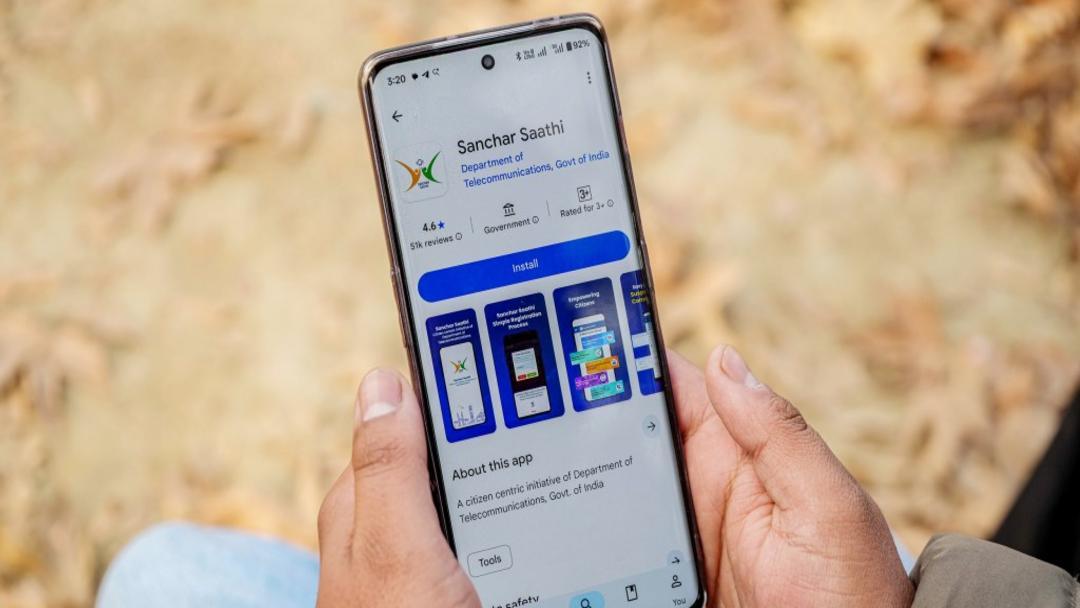
Sanchar Saathi is a government service that helps users secure mobile connections. The app supports anti‑theft and anti‑fraud actions, including:
- Blocking and tracking lost or stolen devices to prevent misuse and resale
- Identifying fraudulent SIM registrations and facilitating their deactivation
- Providing a centralized interface to manage and verify active mobile connections
Released in January, Sanchar Saathi has recorded at least 14 million downloads. For mobile device hygiene, review mobile security best practices and Android patch guidance addressing critical bugs. On emerging Android risks, see analysis of spyware threats like FireScam.
Timeline and backlash
The India cybersecurity app mandate was announced Monday with requirements for preinstallation, non-removal, and rollout to legacy devices. The order triggered immediate scrutiny from privacy groups, civil society, and device makers.
On Tuesday, telecom minister Jyotiraditya M. Scindia publicly characterized the app as voluntary amid growing criticism. By Wednesday, the India cybersecurity app mandate was rescinded, with officials confirming preinstallation is not mandatory and users can uninstall the app.
Company policies and conflicts
The India cybersecurity app mandate ran into operational barriers. Apple’s policy against preinstalling third‑party apps underscored compliance challenges for global OEMs.
Android OEMs faced logistical overhead for nationwide over‑the‑air distribution and device-level restrictions. The reversal removes immediate conflicts and aligns with platform governance norms.
Related telecom security issues remain active, including risks highlighted in telecom-focused espionage reporting.
Official statements and numbers
The ministry reported 600,000 new user registrations to download Sanchar Saathi in the prior day, even as the India cybersecurity app mandate was rolled back. Officials said the app’s purpose is to protect citizens from cybercriminals, emphasized that it has no other function, and affirmed users can remove it at will.
The government framed the change as a shift to an opt‑in model, positioning the India cybersecurity app mandate as voluntary rather than compulsory.
Security context for India’s mobile ecosystem
India’s mobile threat landscape continues to expand, with increased fraud and account takeover activity affecting consumers and financial services. See reporting on the surge in API attacks on India’s banking sector.
For broader user safety, password-hardening advice remains essential; see how AI accelerates password cracking.
Implications of the India smartphone pre-install policy rollback
The India smartphone preinstall policy rollback favors user consent and platform compatibility. The decision removes immediate compliance friction for OEMs, avoids clashes with Apple’s policies, and reduces the risk of user distrust. It also keeps helpful anti‑theft and anti‑fraud tools available to those who opt in.
However, without a mandate, adoption will vary, and security benefits may not reach at‑risk users by default. Fragmented uptake can leave gaps in device recovery and SIM fraud mitigation.
The Sanchar Saathi app controversy highlights the need for transparent safeguards, clear disclosures, and public education to build trust without compromising civil liberties.
Strengthen your mobile and network security
Conclusion
The India cybersecurity app mandate is now voluntary. Users retain control to install or remove Sanchar Saathi, while manufacturers avoid forced preloads that conflict with platform policies.
The swift reversal, coupled with reported adoption spikes, suggests citizens will engage when security tools are opt in, transparent, and privacy‑preserving.
Effective outreach, platform‑aligned distribution, and robust safeguards will be key to expanding Sanchar Saathi’s reach without reviving the Sanchar Saathi app controversy.
Questions Worth Answering
What changed in the government’s order?
The government withdrew the requirement to preinstall Sanchar Saathi and confirmed installation is voluntary for users and OEMs.
Is Sanchar Saathi mandatory now?
No. The India cybersecurity app mandate was reversed, and the app is optional and removable.
Why did the directive face criticism?
Concerns centered on privacy, consent, and conflicts with platform rules such as Apple’s ban on preinstalled third‑party apps.
What does Sanchar Saathi do?
It helps block and track lost or stolen devices, verify connections, and identify fraudulent SIMs for deactivation.
Can users remove the app?
Yes. The ministry stated users can uninstall the app at any time.
How popular is the app?
It has at least 14 million downloads, with 600,000 new registrations reported in the day before the rollback.
Where can I find mobile security guidance?
See CISA’s mobile security guidance and Android security updates coverage.
About India’s Ministry of Communications
India’s Ministry of Communications oversees national telecom policy and regulatory initiatives. It issued and then rescinded the Sanchar Saathi preinstallation order.
The ministry’s initial directive required OEMs to preinstall the app within 90 days, restrict removal, and push it via software updates to older devices.
In its latest guidance, the ministry emphasized that preinstallation is not mandatory, the app focuses on user protection, and users can uninstall it.
About Jyotiraditya M. Scindia
Jyotiraditya M. Scindia serves as India’s telecom minister and addressed concerns during the Sanchar Saathi app controversy.
He stated the app is voluntary, aligning the policy with user consent and industry expectations.
His position preceded the India smartphone preinstall policy rollback that confirmed the mandate would not be enforced on manufacturers.