 CSC News
 Table of Contents
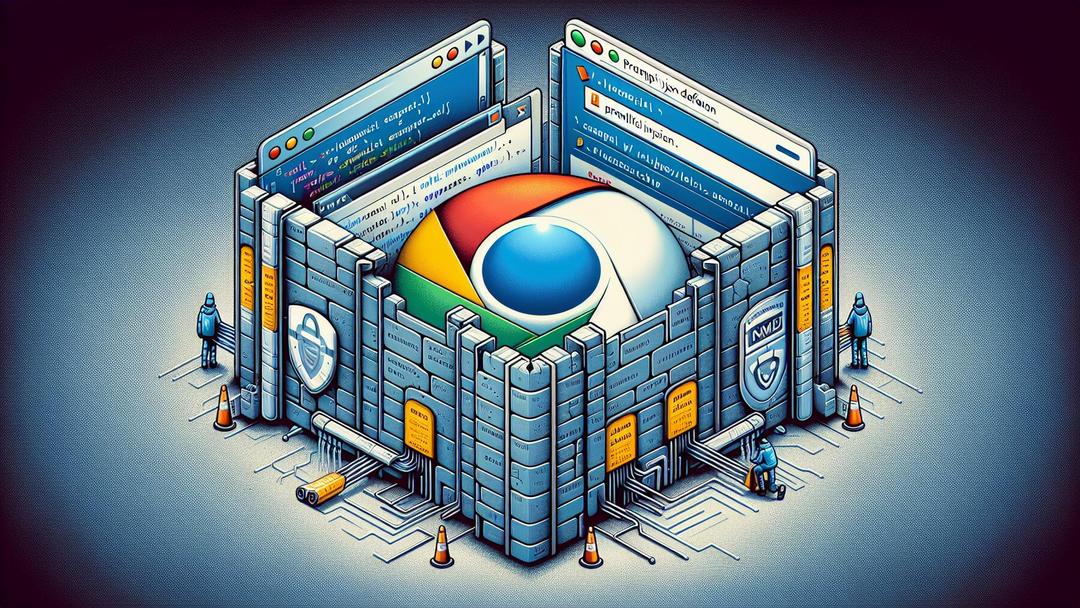
prompt injection attacks are at the center of Google’s latest push to secure Chrome’s Agentic AI. The company is adding guardrails to detect and block malicious instructions embedded across the web. The focus is on minimizing data leakage and preventing unsafe actions by default.
The updates target indirect manipulation where adversaries hide commands in webpages, documents, or services. Google’s model hardening emphasizes strict permissions, safer data handling, and early detection.
These changes strengthen Chrome Agentic AI security for users and developers while preserving performance and usability.
Prompt Injection Attacks: What You Need to Know
- Chrome adds layered controls to detect, contain, and block prompt injection attacks before AI features expose data or execute unsafe actions.
Why Google Is Fortifying Chrome’s AI
As AI features grow more autonomous, attackers embed hidden commands in content to hijack agent behavior. These prompt injection attacks seek to exfiltrate secrets or trigger actions outside user intent.
Google is tightening how Chrome’s Agentic AI reads content, invokes tools, and handles sensitive data to counter these risks.
The rollout fits broader Google AI safety measures that blend policy restrictions with real time monitoring. The goal is to disrupt common attack paths while maintaining useful automation in the browser.
How Chrome’s Agentic AI Resists Indirect Abuse
Stricter data boundaries and context isolation
Chrome reduces the default scope of what AI agents can access. This limits exposure to prompt injection attacks that rely on irrelevant or hostile context. A compartmentalized context prevents untrusted pages from quietly influencing sensitive tasks.
Guardrails on tool use and capabilities
AI features operate with the least privilege and explicit permissions. Actions such as navigation, file access, or clipboard use require user approval. These prompts make it harder for prompt injection attacks to escalate privileges or induce unsafe behavior.
Detection and prevention for data exfiltration
Google adds checks to block secrets, tokens, and personal data from leaving the browser. These controls aim to stop prompt injection attacks from converting AI features into exfiltration channels. Protections apply across third party content and service interactions.
Safer defaults for untrusted sources
Chrome treats unknown or risky pages with heightened scrutiny. By default, AI experiences avoid following hidden instructions in ads, comments, or user generated content, common sources of prompt injection attacks.
Complement Chrome’s AI protections with vetted security tools.
- Bitdefender – Endpoint protection against malware, phishing, and zero-day exploits.
- 1Password – Password manager with passkeys and shared vaults for teams.
- IDrive – Encrypted cloud backup to safeguard files from ransomware.
- Tenable Vulnerability Management – Identify and fix exposures across assets.
- Tresorit – End-to-end encrypted storage for regulated industries.
- Passpack – Shared password management for SMBs.
- Optery – Automate removal of personal data from broker sites.
Developer Guidance and Industry Context
Google’s approach aligns with capability scoping, content validation, and explicit user consent. Developers creating extensions or web apps that integrate AI should adopt these patterns for stronger defenses against prompt injection attacks.
The strategy mirrors the OWASP guidance for LLM applications and complements NIST’s AI Risk Management Framework.
The timing reflects broader industry concern over prompt injection attacks across major platforms. See our overview of prompt injection risks in AI systems and Microsoft’s community effort to harden defenses (prompt injection challenge).
For Chrome’s wider posture, recall recent urgency around exploited Chrome zero-days.
What’s New in Chrome Agentic AI Security
Layered protections
Google combines content filtering, permission prompts, context isolation, and safe defaults. These layers reduce the chance that prompt injection attacks can cascade into data loss or unauthorized actions.
User-centered transparency
When AI features request sensitive actions, Chrome presents clear choices. Users can approve intended behavior and reject suspicious instructions that often indicate prompt injection attacks.
Enterprise readiness
Policy controls extend to enterprise deployments for predictable behavior at scale. Organizations can align Chrome Agentic AI security with existing data handling and compliance requirements.
Implications for Users and Organizations
Users gain stronger default protection against embedded threats in everyday browsing. The guardrails curb data leakage and reduce the risk that prompt injection attacks manipulate agent actions. Developers benefit from a clearer permission model that limits overexposed capabilities.
There are trade-offs. Some AI actions may prompt more often, and automated tasks can be constrained when sources are untrusted. These limits improve resilience to prompt injection attacks, but may require minor workflow adjustments and updated integration patterns.
Strengthen controls to prevent data loss and counter emerging attacks.
- Bitdefender – Behavioral detection against modern malware.
- Tenable Identity Exposure – Identify risky identity paths for lateral movement.
- EasyDMARC – Enforce DMARC to block spoofing and phishing.
- 1Password – Strengthen authentication and reduce credential reuse.
- Tresorit for Business – Compliance ready encrypted collaboration.
- Passpack – Centralized credential sharing with role based access.
- IDrive – Encrypted backups with snapshot recovery.
- Optery – Reduce exposure by removing personal data.
Conclusion
Google is prioritizing safety as AI features mature in Chrome. The company’s layered defenses reduce the impact of prompt injection attacks across untrusted content and tools.
These upgrades align with Google AI safety measures that emphasize access control, safe defaults, and data loss prevention. They also advance Chrome Agentic AI security without sacrificing speed.
The broader lesson is clear. Secure defaults and transparent controls make AI assistance more trustworthy. As adversaries evolve, layered mitigation remains the most durable response to prompt injection attacks.
Questions Worth Answering
What are prompt injection attacks in the browser?
They are hidden instructions in content that coerce AI features to leak data, ignore user intent, or execute risky actions.
How is Chrome reducing the risk?
Chrome applies context isolation, the least privilege permissions, safer defaults for untrusted sources, and checks that prevent sensitive data exfiltration.
Will protections affect usability?
Some actions will trigger more consent prompts. The objective is to keep AI helpful while mitigating prompt injection attacks.
Do developers need to change code?
Adopt the least privilege, validate content, and respect explicit user approvals. These patterns align with Google AI safety measures.
Are the defenses limited to Google’s AI?
They focus on Chrome’s Agentic AI, but the principles apply to any agent that consumes web content.
How does this align with industry guidance?
It is consistent with OWASP LLM guidance and the NIST AI Risk Management Framework on access control and data protection.
Can these controls stop every attack?
No single control is perfect. The intent is layered mitigation that detects, contains, and limits evolving tactics.
About Google
Google is a global technology company that builds products across search, ads, cloud, and devices. The company emphasizes secure design and privacy.
The Chrome team maintains a fast, secure, standards based browser used by billions of users and enterprises worldwide.
Google invests in responsible AI, privacy protections, and open source security to strengthen the broader internet ecosystem.
Sources
Google Security Blog | OWASP Top 10 for LLM Applications
Auvik, Plesk, and CloudTalk — streamline operations, secure infrastructure, and accelerate response.