 CSC News
 Table of Contents
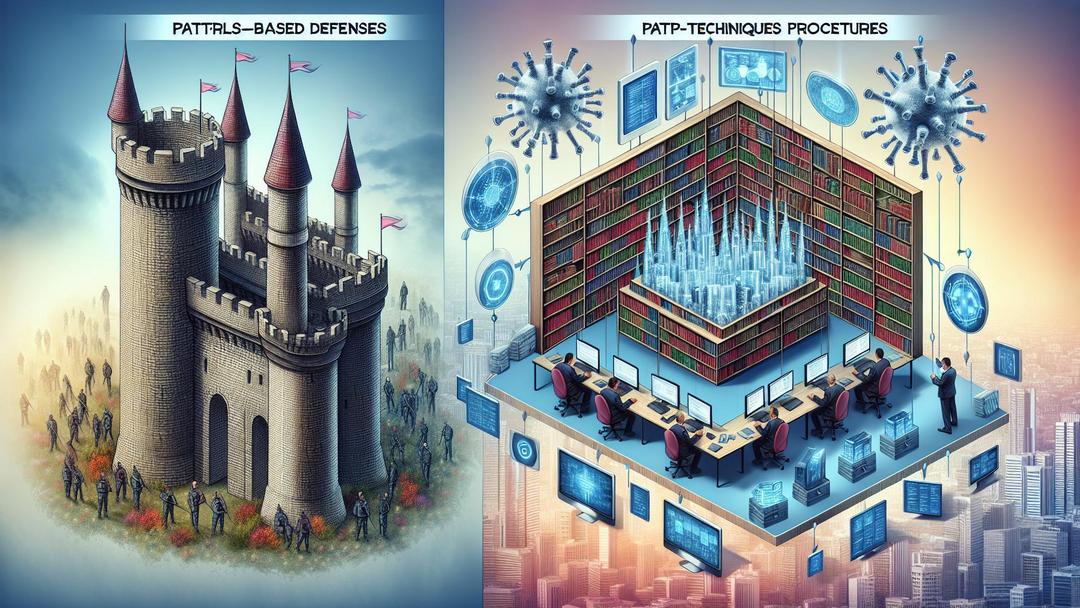
TTP-Based Defenses give security teams a durable edge against fast-moving threats. By focusing on attacker behavior, defenders reduce blind spots and improve resilience across hybrid environments.
Adversaries rotate domains, IPs, and file hashes in minutes, which limits the value of traditional Indicators of Compromise. Behavior centric controls endure as tooling and infrastructure change.
This model aligns with recognized frameworks and incident response playbooks, which enables consistent detection engineering, faster investigations, and measurable risk reduction.
TTP-Based Defenses: What You Need to Know
- Behavior-focused detections outlast fragile IOCs and improve visibility, signal quality, and response speed across modern enterprise networks.
Recommended Tools to Strengthen Behavior Based Security
Enhance controls that complement TTP based strategies with these trusted solutions:
- Bitdefender, endpoint protection aligned to behavior analytics and layered defense.
- 1Password, reduce credential exposure and lateral movement risks.
- Tenable, prioritize exposures adversaries actually use in their TTPs.
- EasyDMARC, block email based initial access and spoofing tactics.
- Auvik, network visibility to spot anomalous behavior across sites.
- IDrive, immutable backups to contain impact from destructive techniques.
- Tresorit, encrypted file sharing to limit data exfiltration paths.
- Optery, reduce public data exposure exploited in targeted attacks.
TTP Based Defenses vs IOC Hunting: Why They Win
TTP-Based Defenses focus on behaviors mapped to frameworks like MITRE ATT&CK, including credential abuse, living off the land tools, and persistence mechanisms. These behaviors are harder for adversaries to change at scale, which extends detection life and improves signal quality.
IOC hunting still has value, but adversaries churn domains, hashes, and IPs rapidly, which shortens detection windows. TTP-based approaches catch families of techniques regardless of tool variations, so teams gain broader and more durable coverage.
How TTPs Improve Detection Engineering
With TTP-based controls, detection rules reflect how attackers operate, such as suspicious PowerShell execution chains or abnormal Kerberos ticket activity, instead of chasing each new hash. Detections become repeatable, testable, and easier to tune over time.
This approach also simplifies prioritization. Controls and playbooks map to kill chain stages from reconnaissance to exfiltration, which helps teams allocate resources where they will reduce the most risk. It complements programs such as CISA’s Stop Ransomware guidance.
IOC Hunting Still Matters, But Not Alone
IOC hunting supports immediate triage, blocking known malicious infrastructure, and alert enrichment. It struggles with evasive campaigns that rotate infrastructure hourly.
Pairing IOCs with TTP-based detections gives analysts rapid containment and durable visibility into attacker movement.
That balance is crucial as adversaries automate phishing kits, token theft, and initial access brokering. See related coverage on how to avoid phishing attacks and how defenders are using AI to stop ransomware.
Building a Program Around TTPs
TTP-based programs thrive when embedded across the security lifecycle, including prevention, detection, response, and recovery. Organizations can operationalize them through:
- Threat modeling aligned to ATT&CK techniques relevant to their industry and technology stack
- Hardening and least privilege to blunt common lateral movement and persistence techniques
- Detection engineering focused on behavioral analytics and sequence based rules
- Automation that enriches, correlates, and responds to technique-driven alerts
- Incident response playbooks mapped to techniques and sub techniques
Teams adopting TTP based defenses often mature faster because they learn attacker workflows, then bake those lessons into controls and training. For deeper context on response planning, review what cyber incident response entails.
From Signals to Story: Better Triage and IR
TTP-based detections give analysts a coherent narrative. Rather than isolated alerts, behaviors connect into an attack storyline that spans initial access, execution, discovery, credential access, and data exfiltration. The result is faster detection and response with less alert fatigue.
This approach also benefits purple teaming. Red and blue teams share a common language in ATT&CK, validate coverage, and close gaps in the techniques adversaries rely on most.
Implications for Enterprise Security
Advantages
TTP-based defenses deliver durable detections, fewer false positives, and stronger coverage against novel threats.
They support strategic investments in identity protection, network segmentation, and EDR that map directly to high-impact techniques. Over time, this raises resilience, streamlines triage, and improves board-level reporting.
Disadvantages
Standing up TTP-based defenses requires time, telemetry, and skilled detection engineering. Smaller teams may face initial complexity to map assets, establish baselines, and maintain rules.
The best outcomes come from gradual rollout, targeted use cases, and automation that reduces manual overhead.
More Solutions That Support TTP Driven Security
Strengthen prevention, detection, and recovery with these vetted tools:
- Bitdefender, behavior first endpoint protection and analytics.
- 1Password, defend credentials and reduce attack surface.
- Tenable, exposure management aligned to real world techniques.
- EasyDMARC, shut down phishing TTPs at the source.
- Auvik, detect anomalous network behaviors quickly.
- IDrive, reliable backups to recover from destructive attacks.
- Tresorit, end to end encryption for secure collaboration.
- Optery, reduce OSINT exposure that enables targeted TTPs.
Conclusion
TTP-based defenses shift attention from fragile artifacts to enduring adversary behaviors. That change boosts control effectiveness and sharpens analytic focus.
Pairing IOC hunting with behavior led detections enables fast containment and lasting visibility. Teams gain clearer attack narratives and quicker response as tools and infrastructure evolve.
Organizations that align TTP-based programs to ATT&CK and sound response practices establish a more resilient footing against modern threats.
Questions Worth Answering
What are TTPs in cybersecurity?
TTPs are tactics, techniques, and procedures that describe how adversaries operate. Focusing on TTPs surfaces behavior that persists even as infrastructure changes.
How do TTP based defenses differ from IOC hunting?
IOC hunting targets artifacts like hashes or domains. TTP based defenses target behavior, which is harder to change and provides longer lived detections.
Should teams stop using IOCs?
No. Use IOCs for rapid triage and blocking, then anchor strategy in TTPs to sustain visibility as adversaries rotate infrastructure.
How can organizations start with TTP based detection?
Map risks to MITRE ATT&CK, prioritize relevant techniques, build behavior-based analytics, and automate enrichment and response where possible.
Do TTPs help defend against ransomware?
Yes. TTP based detections highlight credential abuse, lateral movement, and exfiltration behaviors common to many ransomware operations.
What frameworks support behavior driven security?
MITRE ATT&CK and NIST incident response guidance offer a shared language and structure for detection, response, and validation.
About MITRE
MITRE is a not for profit organization that operates federally funded research and development centers. It advances the public interest through research and innovation.
The organization maintains the ATT&CK framework, a global knowledge base of adversary behavior that helps defenders map detections to real world techniques.
MITRE collaborates with government, industry, and academia to improve security outcomes and accelerate research into practice worldwide.