 Penelope Iroko
 Table of Contents
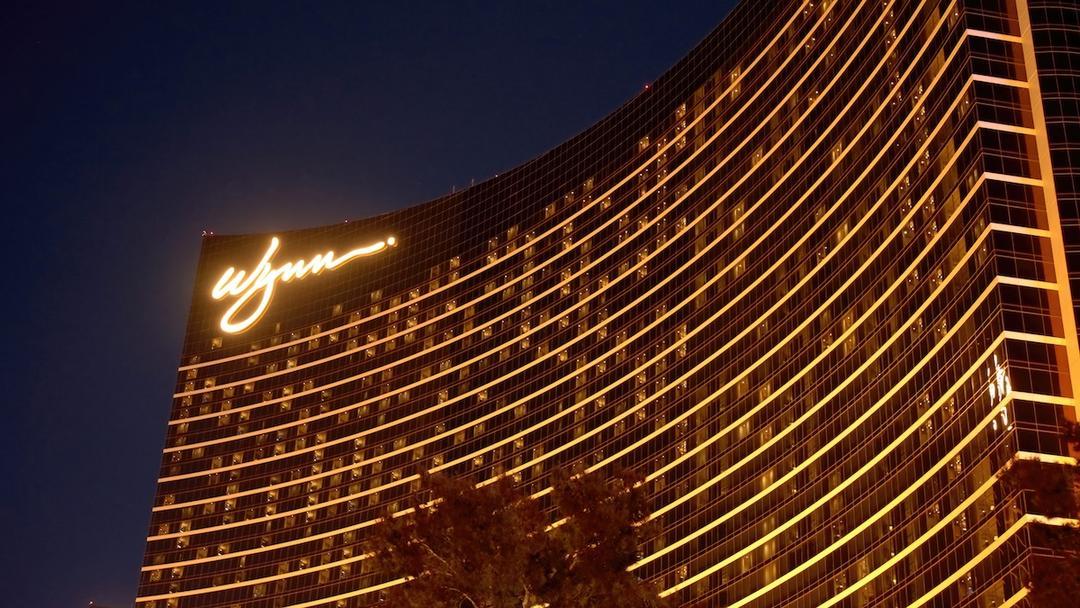
The Wynn Resorts data breach has been confirmed by the luxury casino and hospitality giant after threat actors unexpectedly removed the company from their dark web leak site. Wynn Resorts acknowledged that hackers accessed sensitive customer and employee information during the intrusion. The confirmation follows weeks of speculation since initial reports of the compromise surfaced.
This casino cybersecurity breach highlights the complex dynamics between major corporations and cybercriminal organizations. The removal of Wynn Resorts from the hackers’ extortion platform has fueled speculation about potential negotiations or ransom payments.
The incident underscores the vulnerability of even well-resourced gaming companies to sophisticated cyberattacks and the difficult decisions they face when responding to data theft.
Wynn Resorts Data Breach: What You Need to Know
- Wynn Resorts confirmed a casino cybersecurity breach after hackers removed the company from their leak site, suggesting potential resolution.
- Bitdefender – Award-winning threat protection for enterprises and individuals.
- 1Password – Secure password management to prevent credential-based attacks.
- Optery – Remove your personal information from data broker sites after a breach.
- CyberUpgrade – Automated cybersecurity compliance and risk management.
- IDrive – Encrypted cloud backup to protect critical business data.
- Tenable – Vulnerability management to identify and close security gaps.
- Passpack – Team password management for secure credential sharing.
- Tresorit – End-to-end encrypted file sharing and storage.
Timeline and Discovery of the Security Incident
The Wynn Resorts data breach first surfaced when the company detected unauthorized access to its internal systems. Cybercriminals penetrated internal networks and extracted sensitive information belonging to both customers and employees.
Wynn Resorts launched an immediate investigation to determine the scope and impact of the intrusion.
The threat actors initially listed Wynn Resorts on their dark web leak site, threatening to release stolen data if demands went unmet.
This pressure tactic is standard among ransomware groups and data extortion operators who leverage public exposure to force compliance. Such listings typically include sample data to establish breach authenticity.
In an unexpected development, the hackers subsequently removed Wynn Resorts from their leak platform. The company has not disclosed whether any payment was made. However, such removals frequently indicate that some form of agreement was reached.
This raises pointed questions about corporate ransom payment policies and negotiations with cybercriminals. Similar cybersecurity incidents have forced organizations to implement emergency operational measures during recovery.
Nature and Extent of Compromised Information
According to Wynn Resorts’ official statement, the breach involved exposure of personal information. The company is conducting a comprehensive review to identify all affected individuals and the specific data types accessed.
This process supports compliance with data protection regulations and notification requirements.
Information potentially compromised in this casino cybersecurity breach includes:
- Customer names, addresses, and contact information tied to reservations and loyalty program accounts.
- Financial data such as credit card numbers and payment transaction records processed through gaming and hospitality operations.
- Employee records containing Social Security numbers, employment history, and payroll details stored across human resources systems.
Gaming and hospitality companies remain high-value targets due to the volume and variety of personal and financial data they process daily.
Extensive customer profiles supporting loyalty programs and personalized services create rich data repositories that attract cybercriminals pursuing identity theft and corporate espionage. The financial sector has also experienced similar large-scale breaches impacting hundreds of thousands of individuals.
When Hackers Remove Data Leak Site Listings
The decision to remove Wynn Resorts from the leak site represents a pivotal development. In the cybercrime ecosystem, data leak sites function as extortion platforms where threat actors publish stolen information or sell it to other criminals. Listing removals typically occur under specific circumstances.
The most common explanation is payment of a ransom or extortion demand. While cybersecurity experts and law enforcement agencies advise against paying, some organizations conclude that the potential damage from data publication outweighs the cost.
These decisions follow extensive risk assessment and consultation with legal and security advisors.
Alternative explanations include successful law enforcement intervention, technical issues with stolen data, or strategic decisions by the threat actors themselves. Some cybercriminal groups maintain reputations for honoring deletion agreements after payment, while others are known to renege.
The specific motivations in this case remain unclear. Understanding ransomware-as-a-service models helps contextualize how these criminal operations scale their attacks.
Company Response and Customer Notification
Wynn Resorts has committed to transparency and customer protection following the breach confirmation. The company engaged external cybersecurity experts to strengthen defenses and prevent future incidents. This response aligns with industry best practices emphasizing swift action and clear stakeholder communication.
The organization plans to notify affected individuals with guidance on protective measures. Notifications will likely include offers for credit monitoring services, identity theft protection, and detailed information about compromised data types.
These steps are often required under state and federal data protection regulations.
Wynn Resorts is also cooperating with law enforcement agencies investigating the incident. Federal authorities, including the FBI’s Cyber Division, typically engage in significant corporate breach investigations to identify perpetrators and develop threat intelligence.
The lessons from major incident response cases demonstrate why this collaboration is critical for building criminal cases and informing future defenses.
Implications for the Casino and Hospitality Sector
Increased Security Awareness Across the Industry
The Wynn Resorts data breach serves as a powerful catalyst for the casino and hospitality industry to reevaluate cybersecurity measures. High-profile incidents consistently drive increased investment in security infrastructure across affected sectors.
This breach will likely accelerate the adoption of advanced threat detection, network segmentation, and zero-trust architectures among gaming operators.
The publicity surrounding this casino cybersecurity breach may also encourage better threat intelligence sharing among gaming companies. Industry consortia and information-sharing organizations play vital roles in collective defense against sophisticated cybercriminal operations.
Enhanced collaboration helps smaller operators benefit from security lessons learned by larger corporations.
Ongoing Challenges and Business Impact
The immediate consequences of the Wynn Resorts data breach are significant. The incident risks eroding customer trust in the company’s ability to protect sensitive information, potentially affecting business relationships and brand reputation.
Customers may grow hesitant to provide personal data or conduct financial transactions with the organization.
The breach also exposes the persistent tension between customer convenience and security in hospitality operations. Casino and resort businesses require extensive data collection for personalized services and loyalty programs, creating large databases that attract cybercriminals. Balancing data utility with protection remains an ongoing industry challenge.
Financial costs compound the problem. Forensic investigations, customer notifications, regulatory fines, and potential legal settlements divert significant resources from business operations and may impact shareholder value.
- Tenable Vulnerability Management – Proactively identify and remediate security gaps before attackers exploit them.
- Auvik – Network monitoring and management for real-time threat visibility.
- Bitdefender – Multi-layered endpoint protection against ransomware and data exfiltration.
- EasyDMARC – Email authentication to prevent phishing and domain spoofing attacks.
- Tresorit – Zero-knowledge encrypted collaboration for sensitive business data.
- GetTrusted – Compliance and trust management for security-conscious organizations.
Conclusion
The Wynn Resorts data breach stands as a significant cybersecurity incident with implications extending well beyond the immediate victim.
The breach confirmation, followed by the hackers’ removal of the company from their leak site, illustrates the increasingly complex relationship between corporations and cybercriminal enterprises.
The unusual resolution raises critical questions about corporate ransom payment policies and negotiations with threat actors. While specific details of any agreement remain undisclosed, the development highlights the difficult calculus organizations face when confronting data extortion.
This casino cybersecurity breach will likely shape industry practices and regulatory approaches to data protection across the gaming and hospitality sectors. Organizations must prioritize security investments and incident response preparedness as cyber threats continue evolving in sophistication and scale.
Questions Worth Answering
What information was stolen in the Wynn Resorts data breach?
- Personal data was confirmed accessed. The company is reviewing the full scope, which may include customer details, financial data, and employee records.
Did Wynn Resorts pay a ransom to the hackers?
- Wynn Resorts has not disclosed whether payment was made. The leak site removal suggests resolution, but specifics remain unconfirmed.
How will affected customers be notified?
- Wynn Resorts plans direct notifications with details on compromised data, protective steps, and offers for credit monitoring and identity theft protection.
What should potentially affected customers do now?
- Monitor financial accounts, place credit fraud alerts, watch for phishing attempts, and await official Wynn Resorts communications about the breach.
How common are data breaches in the casino industry?
- Casinos are frequent targets due to valuable financial and personal data. Gaming companies face regular threats from ransomware and extortion groups.
What security measures help prevent casino data breaches?
- Network segmentation, data encryption, multi-factor authentication, penetration testing, employee training, and incident response planning are essential.
Why did hackers remove Wynn Resorts from their leak site?
- Common reasons include ransom payment, law enforcement action, or strategic decisions by threat actors. The exact cause remains undisclosed.
About Wynn Resorts
Wynn Resorts is a publicly traded luxury casino and hospitality company operating premier properties in Las Vegas, Macau, and other international destinations. Founded by casino developer Steve Wynn, the company is a recognized leader in the gaming and entertainment industry.
The organization operates flagship properties including Wynn Las Vegas, Encore, and Wynn Macau. These integrated resorts offer gaming, luxury accommodations, fine dining, entertainment, and retail experiences.
Wynn Resorts serves millions of customers annually and processes significant volumes of financial transactions and personal information daily, making robust cybersecurity essential to its operations.
Secure your passwords with 1Password | Remove exposed personal data with Optery | Defend endpoints with Bitdefender